Monday, 31 October 2022

Cybersecurity in BFSI – Top Threats & Importance

 Cybersecurity has been the major area of concern throughout 2022 and now 2023 is all set to witness a new version of cyber-attacks with advanced technologies. Cyber-criminals are ready to exploit the technological trends and hunt away into your security domain.
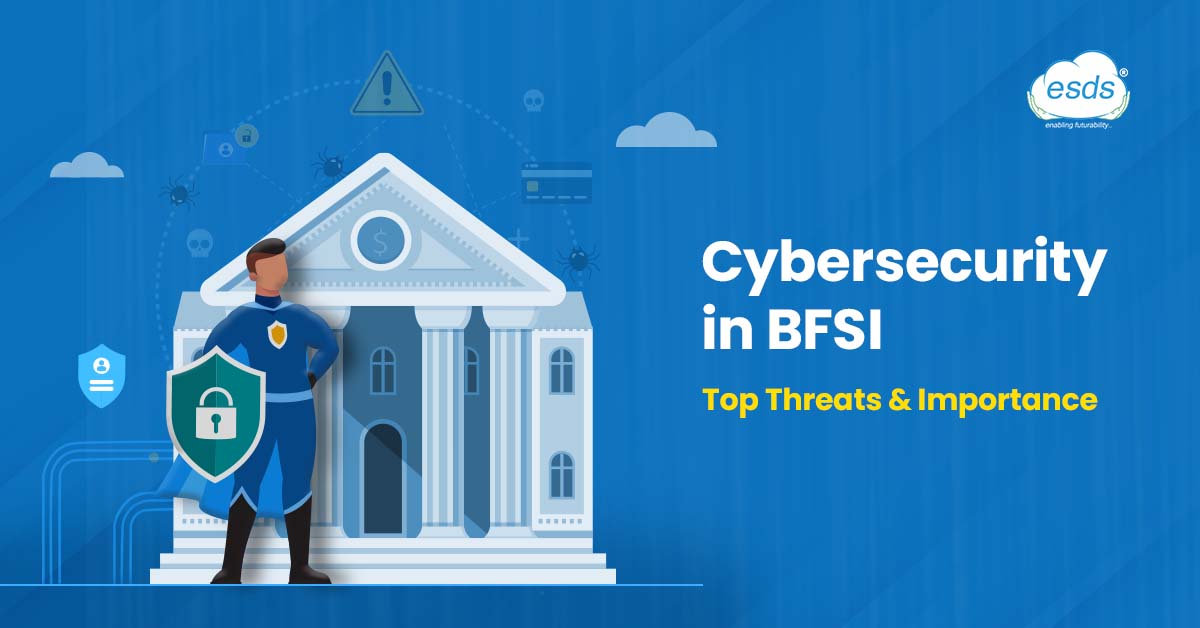
cybersecurity in BFSI

As we transition to a digital economy, cybersecurity in banks is becoming a serious concern. Leveraging methods and procedures created to safeguard our data are essential for a successful digital revolution. The effectiveness of cybersecurity in banks determines the safety of our Personally Identifiable Information (PII), and by extension, ourselves, whether it is an unintentional breach or a well-planned cyberattack.

Current State of Cybersecurity in Banks

According to the S & P Global study on the share of cyber incidents reported across industries in the past years, financial institutions have topped the list and experienced more than a quarter of such security issues.

To make a comparison, the BFSI sector experienced 26% of these cybersecurity incidents, compared to the Healthcare (11%) Software and Technology Services (7%) and Retail (6%), and Retail (6%).
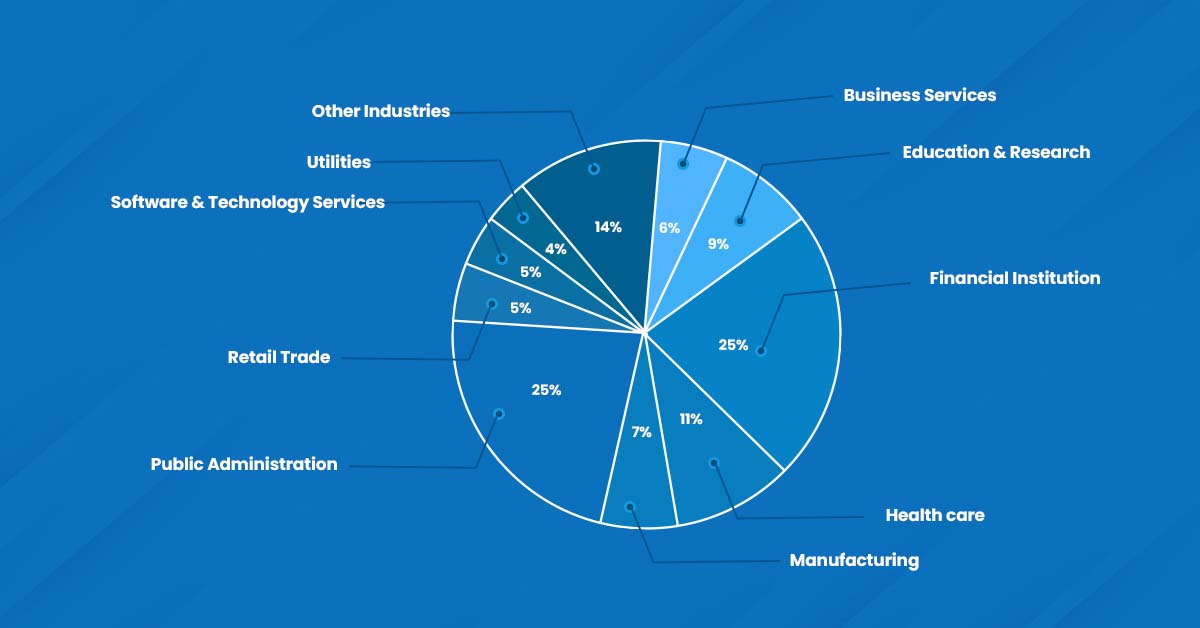
cybersecurity

The volume of cyber threats is increasing fast, which shows how critical cybersecurity is to banks today. Particularly for small financial institutions and credit unions that lack the resources to survive, cyber-attacks can be very expensive to endure. Additionally, such financial institutions may suffer catastrophic reputational damage.

Read More>>

Wednesday, 12 October 2022

How Managed Security Services Keep Your Business Data Protected

Everything that is managed works great, right? So, why not successfully get your organizational security managed?

As security has been the priority for organizations from SMBs, banks, and government sectors to Fortune 500, managed security services have leaped.

Managed Security Services ESDS

It has become difficult for most organizations to look after the evolving cyber-attacks and put so much time and effort into mitigating the issues. In addition, for SMBs, it can be challenging to implement security measures due to various limitations related to budget, expertise, and security personnel.

Managed security services are a great way to protect your organization’s data and systems from hackers. If you want to increase your company’s cybersecurity, the best way to do so is by hiring a managed security service provider who can provide all of the necessary tools for preventing attacks on your network.

The managed security services market is projected to reach US$ 53.22 Bn by 2031

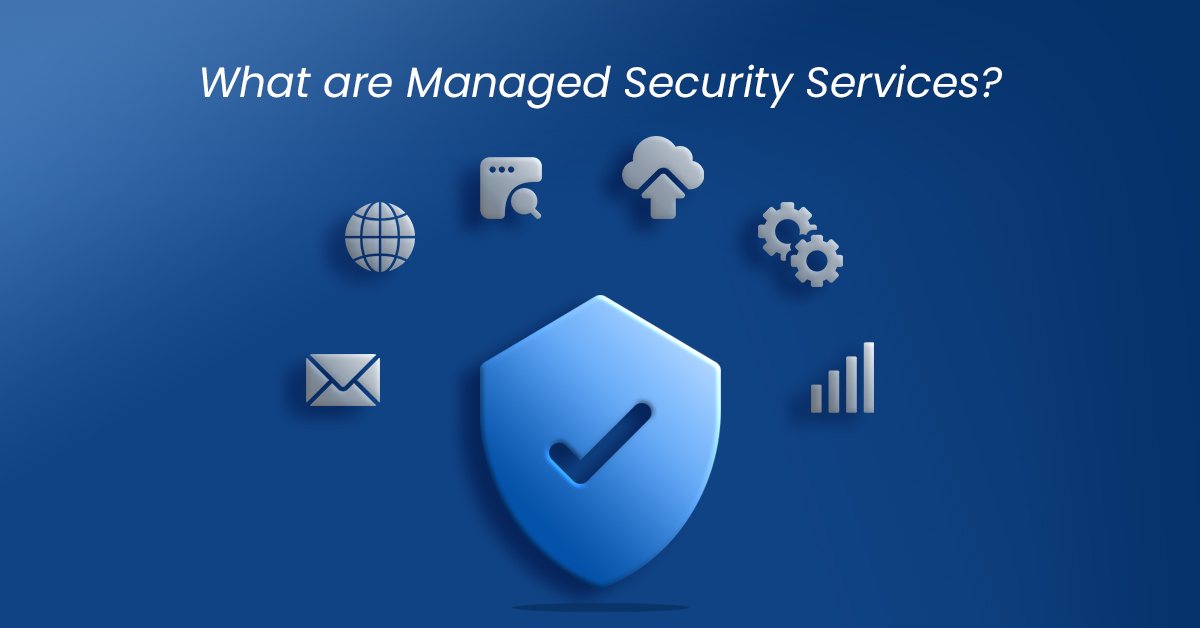
What Does Managed Security Service Mean?

What Does Managed Security Service Mean - ESDS

Managed Security Service is a security solution that provides 24/7 monitoring of your organization’s networks and systems. In other words, it is a way to secure your business against threats like fraud, cyberattacks, and data breaches. A managed security service provider like ESDS offers security assistance or manages your entire security operation center per your requirement. Your SIEM tools, IDS/IPS, firewalls, antivirus software, vulnerability, compliance management, and other security technologies are all under an MSSP.

Managed Security Services offer you great flexibility because they can take different forms depending on your needs. For example, the managed security services may be used as part of a more comprehensive security solution, or they could just be used to secure your assets.

Read More>>

Sunday, 2 October 2022

Cybersecurity Mesh – How does it impact your business?

As digital transformation is rapidly accelerating, more businesses are adapting to this current trend. Now the hybrid work environment is also catching up, organizations are faced with new challenges as we are steering away from the traditional network infrastructure. While the hybrid work model comes with its own set of comfort, flexibility, and productivity it also brings in certain risks and complexity. A majority of the staff is working remotely, and control over data and its security has become less rigid leaving the vulnerabilities exposed. Now how to keep the security intact and not let the vulnerabilities prone to hackers? Cybersecurity Mesh, which acts as a cyber-defense strategy with a more holistic approach. While regular security practices use a single perimeter to secure an entire IT environment, Cybersecurity Mesh on the other hand secures each device with its perimeter independently. 
Cybersecurity Mesh

The traditional network perimeter has now become a diverse network that manages infrastructure, remote machines, and their uses, cloud technologies along with IoT devices. Organizations that are adapting to this approach with their remote work model gain access to data and more control over policies implementing new technologies. Industries such as banking, manufacturing, or government are still very much following the traditional practice. Businesses of larger sizes have complex IT architecture hence they need a more distributed model. To run the business smoothly in today’s competitive market organizations are inching more towards a data processing edge and relying on multiple cloud implementations.

Read More>>

Monday, 12 September 2022

Database Management Systems – Managing your data landscape

Every modern software application depends on data, and databases are the most popular method of storing and managing applications’ data.

Databases have developed from conventional relational databases to more sophisticated databases, including No SQL, columnar, key-value, hierarchical, and distributed databases, due to the proliferation of web and cloud technologies. Structured, semi-structured, and even unstructured data can all be handled by each kind.

Database Management Systems


Furthermore, databases continually handle delicate and crucial data. The need for compliance and the dispersed nature of most data sets have made managing databases difficult. To maintain large databases, organizations need tools that are reliable, secure, and easy to use. Database management systems fill this need by providing a framework for managing databases. Let’s look at it.

What is a database management system?

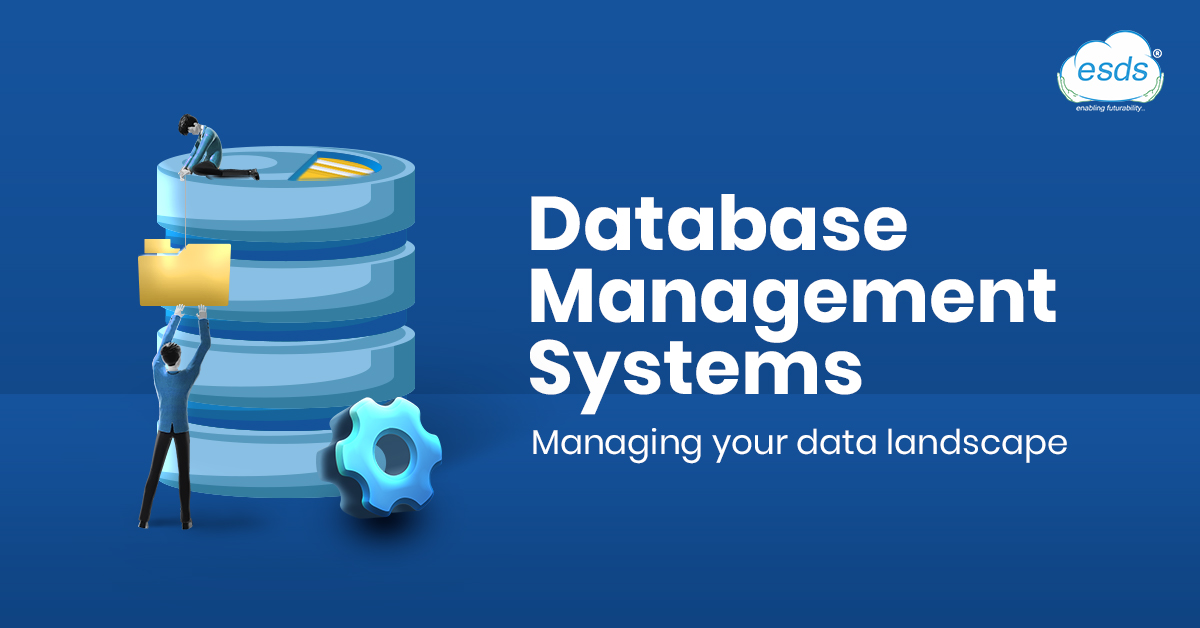
Using a DBMS, the following common database administration tasks can be carried out

Users may easily manage databases thanks to a piece of software called a database management system (DBMS). Through this, users can access and interact with the database’s data. These operations might be as simple as data queries or as complex as creating database schemas that significantly alter the structure of the database. Additionally, DBMS provides secure, concurrent user interaction with a database without compromising data integrity or interfering with other users.

Read More>>

Tuesday, 6 September 2022

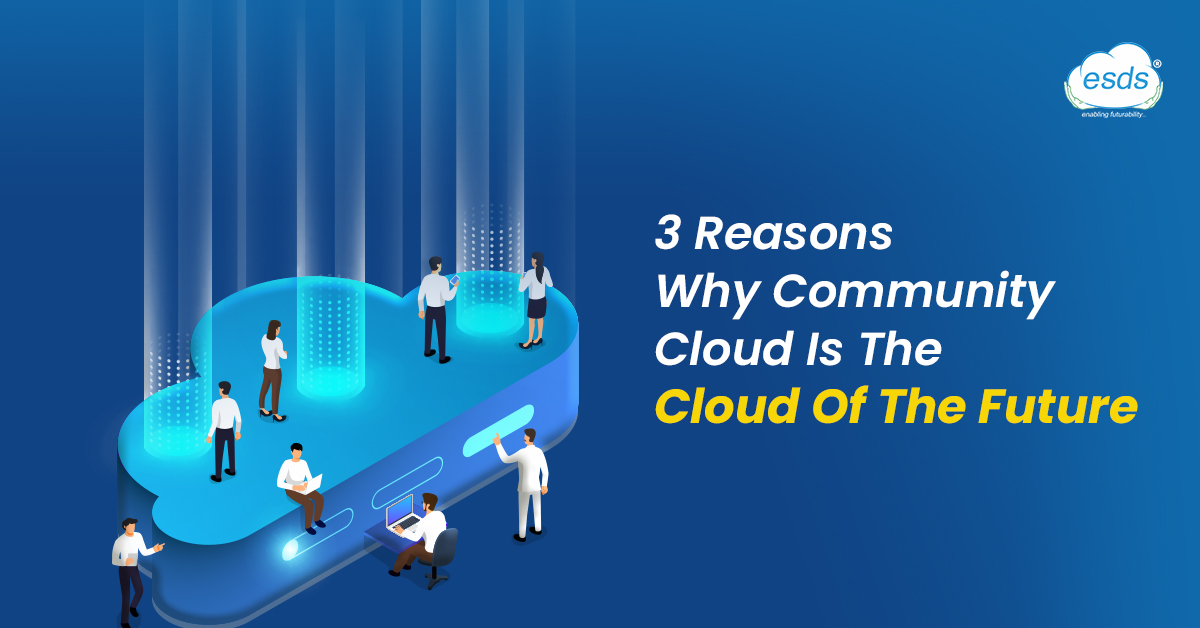
3 Reasons Why Community Cloud Is The Cloud Of The Future

In its initial days and forms, cloud services were industry neutral with horizontal offerings. It was for everyone, similar to any other public service like electricity or water, hence classified as Public Cloud. But, the scenario is rapidly changing, and what we see now is the future of the cloud with an industry-specific list of required services and offerings.
Why Community Cloud Is The Cloud Of The Future


For the time being, the further progress of the cloud will depend on the ability of cloud technologies to adapt to and apply customized business requirements. This is now considered the next step to enhancing the cloud adoption process. It differs from a public, private, or hybrid cloud and is termed a community or vertical cloud.

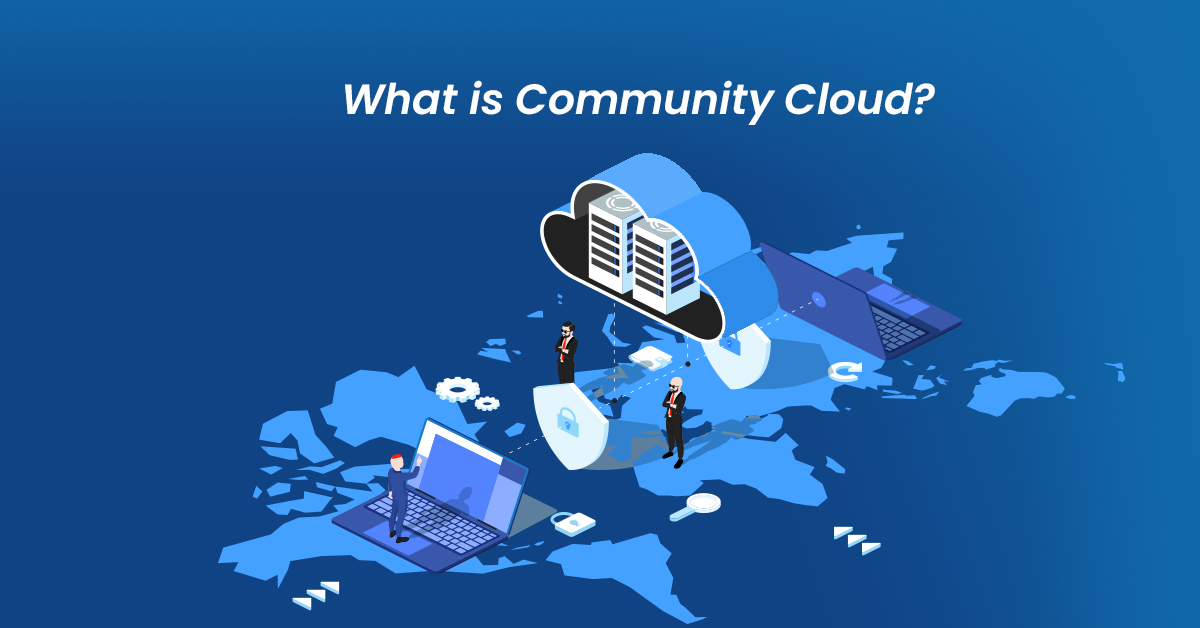
What is Community Cloud?

A community cloud is a single, sector-specific solution that combines the advantages and capabilities of various cloud types (Banks, insurance, government, enterprise, etc.). It is also best suited for organizations working on related applications, research topics, or projects that require the same resources. A community cloud is an example of a private cloud that provides specialized infrastructure for businesses from a particular community with shared concerns about security, compliance, jurisdiction, etc. When it comes to cost-effectiveness, privacy, and security, it is the perfect answer.

What is Community Cloud


1. Rising Demand for Community Cloud

Recently, we’ve seen many major Cloud Service Providers offering Community Cloud Services, whether Government Community Cloud, Banking Community Cloud, or Enterprise Community Cloud, each offering particular services for the prescribed business vertical. The key differentiators are each cloud vertical’s technical, security, and compliance tools. However, the true potential of these communities is yet to be achieved with the requirement of vertical cloud or community cloud services for emerging business verticals like IoT, Healthcare, e-Commerce, Insurance, Autonomous Vehicles, etc., as each one of these business verticals is going to have requirement of specialized tools with specific compliance configurations, security, and performance-based upon a uniform data model.

Read More>>

Tuesday, 16 August 2022

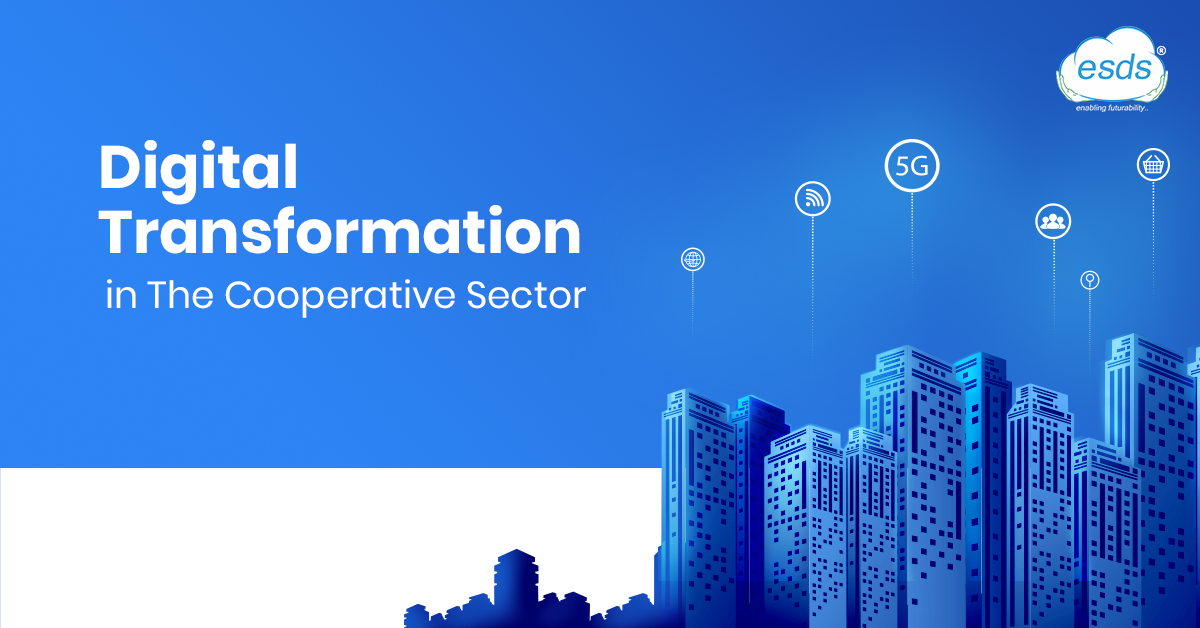
Digital Transformation in The Cooperative Sector

In India, the cooperative sector plays a crucial role in the banking ecosystem. There are 1,531 urban cooperative banks and 97,006 rural cooperative banks as of May 31, 2021. Moreover, the overall depositor base of these banks exceeds eight crores. With such a significant contribution, the complete digital transformation of these banks is essential to make them future-ready. Especially after the advent of the pandemic, the digital transformation of cooperative banks has become a must. Although technological advancements have already begun in the cooperative sector, it still has much to catch up with high-tech commercial banks.
digital transformation


Cooperatives must digitize if they want to navigate the shifting environment. They could be able to provide financial services through conventional means and physical locations. However, this may not be useful in retaining important clientele that prefers simple and digital operations in the future. 

At present, cooperatives rely on close relationships with their clients and members. Although trust and relationships with stakeholders are important, they may not be enough to attract the current generation to financial services.

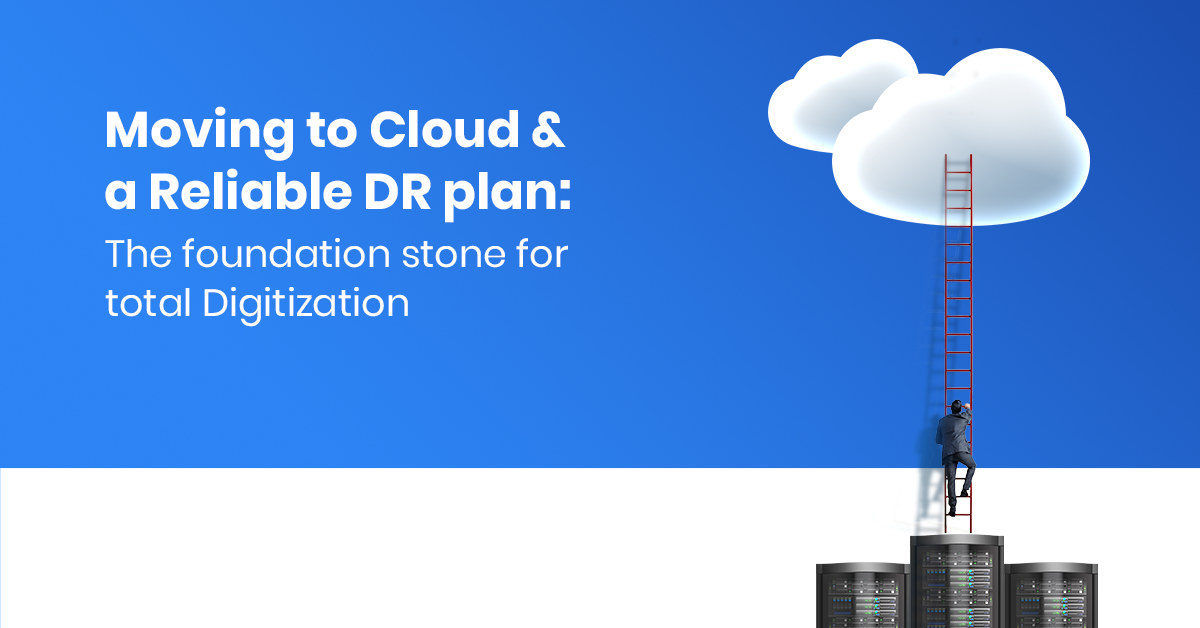
Moving to Cloud & a Reliable DR plan: The foundation stone for total Digitization

Cloud computing is an essential tool for the cooperative sector in order to stay competitive in the face of growing private banks today. With the Cloud, banks can improve agility, drive innovation with cutting-edge technology, utilize industry-specific solutions, and shift their spending paradigm from CapEx to OpEx.

Cloud & a Reliable DR plan


ESDS has dedicated BFSI community cloud services that are a highly adaptable platform that supports Hosted Payment and Security Services, Core Banking Solutions (CBS), and cutting-edge technology. ESDS BFSI Community Cloud is built in strict compliance with regulatory requirements, security guidelines, and resilience guidelines mandated by the Reserve Bank of India (RBI). To date, 450 + Cooperative Banks, UCB, DCCB, and Apex banks are working with us as partners to transform their banks into digital transformation. 

Read More>>

Monday, 18 July 2022

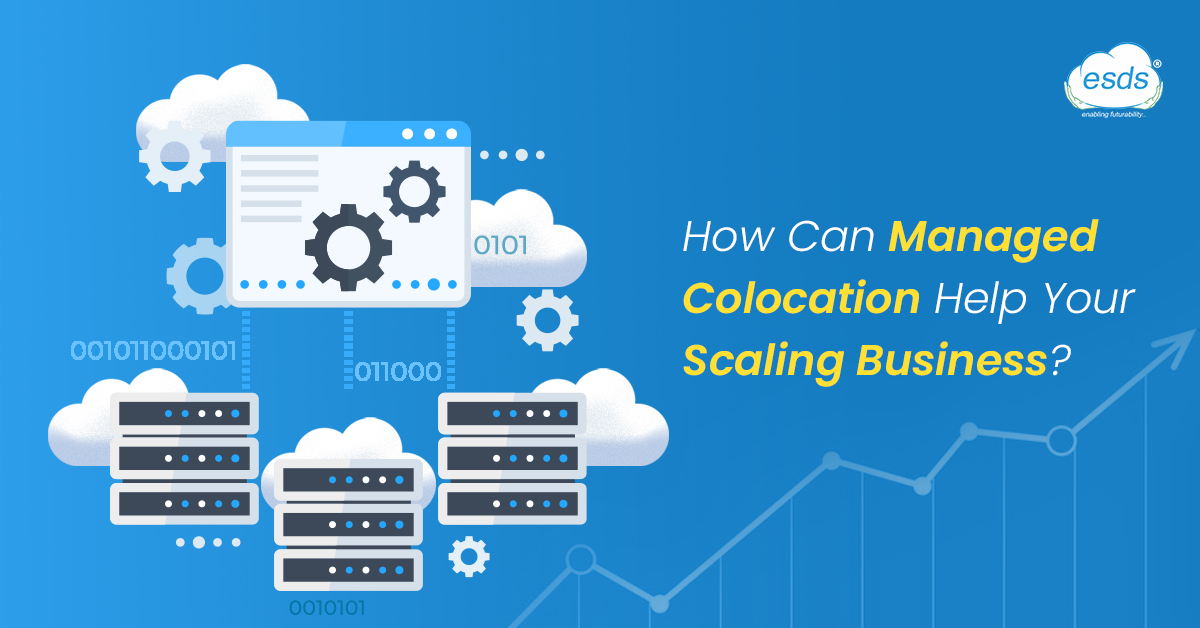
How Can Managed Colocation Help Your Scaling Business?

For your growing business, you certainly need enough space to accommodate the ever-increasing IT infrastructure. Again, when it comes to growing infrastructure, it includes considerable space, cost, and an IT team to manage the IT infrastructure.
Managed Colocation ESDS

Your expanding business needs may not be cost-effective, but it certainly has solutions that would accommodate your scaling business requirements.

It is essential that your business infrastructure scales and performs at the right time when needed. Also, you need to know your long-term business needs and their impact on the overall business workflow.

There are several alternatives accessible for IT infrastructure. However, if you have a clear set of business objectives, are aware of the existing state of your organization’s IT infrastructure, and are ready to make a change to maximize deployment in the long run, managed colocation is just what you need. Nevertheless, what exactly is managed colocation, and why should it be preferred over on-premises or cloud-based solutions?

Colocation

Colocation is the provision in which a service provider offers space on its premises for an organization’s equipment and IT infrastructure.

It is an excellent alternative for companies that want to maintain control over their infrastructure but lack the physical room to house their equipment.

Read More>>

Wednesday, 22 June 2022

A Good Strategy – To Scale up your Business

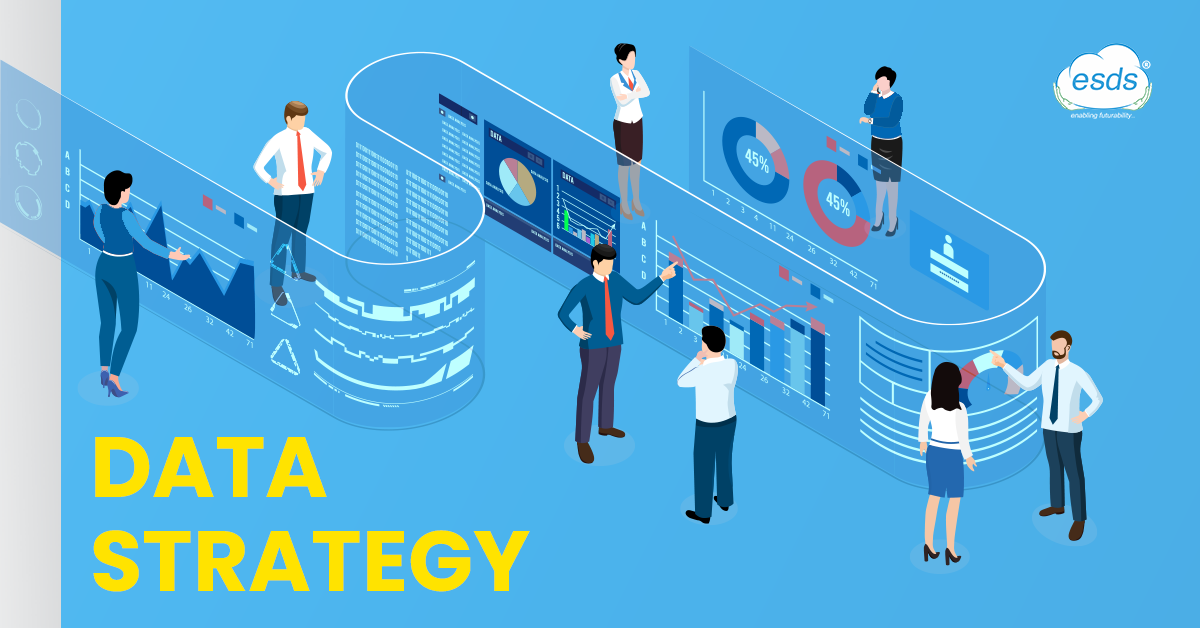
Data has become an invaluable asset for businesses of any type and size or industry. To put this data to use and yield value for a business, requires developing a Data Strategy. Businesses across the globe invest heavily in gathering, analyzing, organizing data, and churning it for multiple uses, which can be quite challenging. Developing a Data Strategy assists organizations to utilize the data extensively without compromising on resources.

Data Strategy

Organized data gives clarity to making important decisions and other strategic actions for the business. Since Data has become a precious resource, security becomes the highest priority. As more and more businesses are shifting towards digital transformation, staying on par with business trends is essential while also protecting the business data from hacking and cyber-attacks is equally crucial.

To Implement a Data Strategy

Importance of Data Strategy – Why your business needs a (modernized) data strategy?

  • Un-organized and steady moving organizational processes
  • Un-structured and duplicated data with quality issues
  • Capability issue to analyze business workings to churn the data for the right use
  • Unable to identify the business’s growing needs and market trends
  • Lack of clarity in terms of segregating the data at hand
  • Work repetition and errors waste resource time

Factors to Consider

To implement a data strategy, an organization needs to have concrete plans and financial investments in place to follow through. The IT team and management personnel must be at the forefront of running the entire activity along with support from the entire organization.

Read More>>

Wednesday, 15 June 2022

Networking Defined By Software: Seven Ways to Implement Them


Networking Defined By Software

In few IT groups, Software Defined Networking (SDN) is still viewed as a hypothetical idea or vaporware to a great extent. Even though SDN  is valid multiple fields, the truth is that we now have few circumstances where SDN can be utilised – and you will be able to see several cases in the coming years. What was previously just another buzzword expressed by IT marketing experts, has now transformed into a practical idea which most of us can make use in organization networks.

Who can precisely derive the benefits from SDN deployments today? There are many factors playing an important role in answering this question. For one, a small portion of your network architecture must be fit for utilising software-defined technologies or can be redesigned to permit such centralised orchestration.

The widest areas where SDN can be applied today is either inside the datacenter or at the WAN control. While it’s feasible for SDN to loosen up completely to the access layer, few networks have suitable hardware in access closets. In any case, that shouldn’t prevent us from considering practical uses. What’s more is once your next network recharge comes around, you will be prepared to take benefits of SDN capacities that are arid.

Another element that influences the value and reasonability of SDN in an enterprise surrounding needs to do with the level of infrastructure virtualisation that has effectively occurred. Software-defined networks ought to be considered as the following stride in the ongoing advancement of desktop virtualisation and/or server. Several advantages of SDN particularly in the Datacenter feels that servers and other system administrations should be virtualised too. This permits network administrators to take advantage of all infrastructure assets to make an end-to-end and integrated solution that can be controlled centrally. Probably, in case you’re examining the realism of SDN, all this time you have been utilizing server virtualization to a considerable degree in your environment.

Read More>>

Wednesday, 8 June 2022

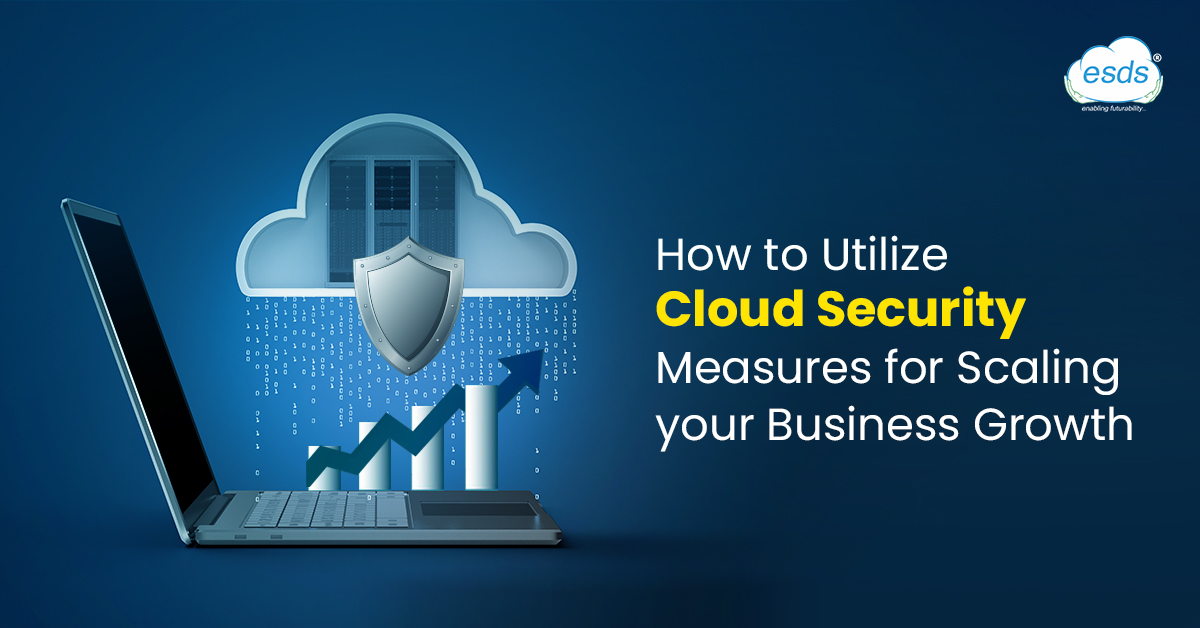
How to Utilize Cloud Security Measures for Scaling your Business Growth

 While most of the world and businesses have adopted the cloud to ensure ongoing business practices during the pandemic, data security has always been a concern. As a matter of fact, cybersecurity has been a major concern long before the pandemic. To improve and make day-to-day business operations more efficient there are thousands of cloud service providers available in the market. Without a doubt during the difficult times of the year 2020, cloud computing services have been saviors to corporates and startups along with all SMEs.

How to Utilize Cloud Security Measures for Scaling your Business Growth

The concern of data security begins right from an individual level to large multi-national and even global organizations. While the cloud has helped organizations run smoothly and churn income during the pandemic, the safety and security of the essential data have been taken into consideration by the cloud service providers. With cloud security that is designed to protect the data on the cloud along with other applications it also safeguards from threats and cyberattacks. With a combination of services, high-end technologies, and higher control, cloud security ensures the prevention of data loss. Cloud security measures also work on the lines of data privacy regulations and other organizational compliances. Let’s understand more about cloud security measures.

Read More>>