Showing posts with label public cloud services. Show all posts

Tuesday, 6 September 2022

3 Reasons Why Community Cloud Is The Cloud Of The Future

In its initial days and forms, cloud services were industry neutral with horizontal offerings. It was for everyone, similar to any other public service like electricity or water, hence classified as Public Cloud. But, the scenario is rapidly changing, and what we see now is the future of the cloud with an industry-specific list of required services and offerings.
Why Community Cloud Is The Cloud Of The Future


For the time being, the further progress of the cloud will depend on the ability of cloud technologies to adapt to and apply customized business requirements. This is now considered the next step to enhancing the cloud adoption process. It differs from a public, private, or hybrid cloud and is termed a community or vertical cloud.

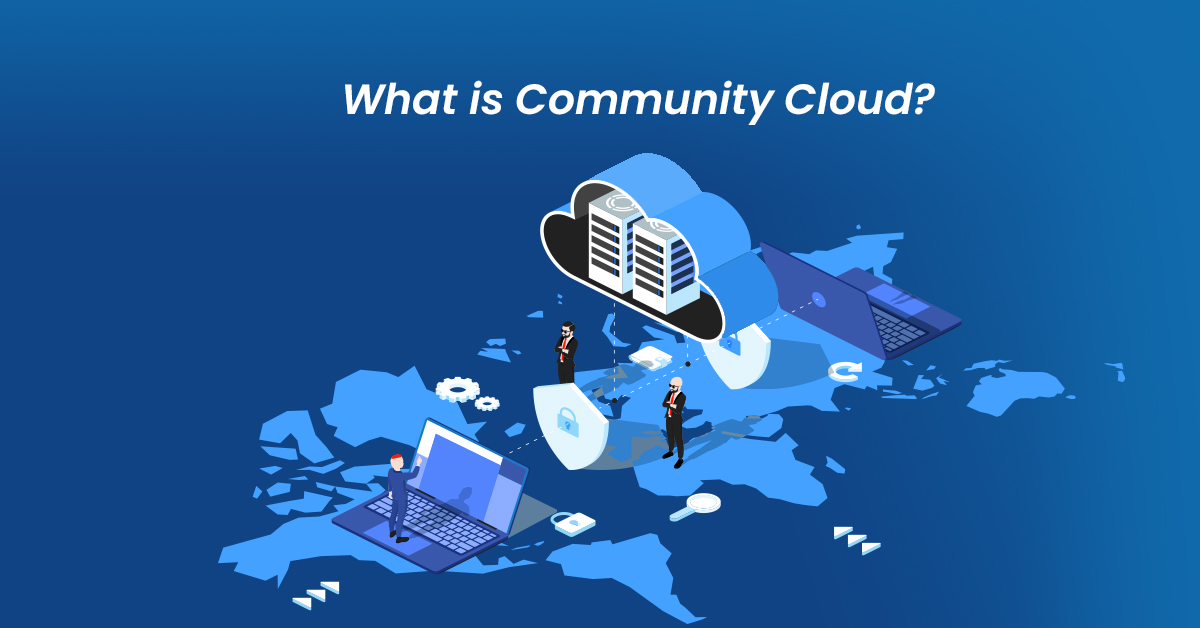
What is Community Cloud?

A community cloud is a single, sector-specific solution that combines the advantages and capabilities of various cloud types (Banks, insurance, government, enterprise, etc.). It is also best suited for organizations working on related applications, research topics, or projects that require the same resources. A community cloud is an example of a private cloud that provides specialized infrastructure for businesses from a particular community with shared concerns about security, compliance, jurisdiction, etc. When it comes to cost-effectiveness, privacy, and security, it is the perfect answer.
What is Community Cloud


1. Rising Demand for Community Cloud

Recently, we’ve seen many major Cloud Service Providers offering Community Cloud Services, whether Government Community Cloud, Banking Community Cloud, or Enterprise Community Cloud, each offering particular services for the prescribed business vertical. The key differentiators are each cloud vertical’s technical, security, and compliance tools. However, the true potential of these communities is yet to be achieved with the requirement of vertical cloud or community cloud services for emerging business verticals like IoT, Healthcare, e-Commerce, Insurance, Autonomous Vehicles, etc., as each one of these business verticals is going to have requirement of specialized tools with specific compliance configurations, security, and performance-based upon a uniform data model.

Read More>>

Tuesday, 26 October 2021

Advantages and disadvantages of SaaS and PaaS


Below I detail what I understand about the advantages and disadvantages of SaaS and PaaS, and of course what influences decision making in business. To a greater or lesser extent all these relate to paas saas and therefore I have chosen not to separate them.

Advantages:

Less initial investment and less risk, the use of the software without having to make an initial investment in machinery, software base (so) and additional software to run the application they would need in an environment in-house, is an important benefit for IT managers and ultimately for the company.

Cost reduction, in addition to paying for only what you need, you get a cost savings of maintaining the platform of machinery and the necessary software (databases, application server) to run your application.

Immediate updates and new features , a party that will not require dedicated staff for updates and software upgrades immediately. Sometimes we choose to use new features.

Support more agile and quick implementation. Bugs have a direct treatment and commissioning solution faster than in-house facilities.

The company focuses its efforts on your business , you really are outsourced to the point that systems do not expend effort in the choice and maintenance of systems.

However, always require care dept. IT but to a much lesser extent.

Increased availability and data security, against what may appear and in view of the disadvantages that we will see below, many companies have no procedures for backup, restore and general contingency plans in case of loss of information or hardware failure.

Read More>>