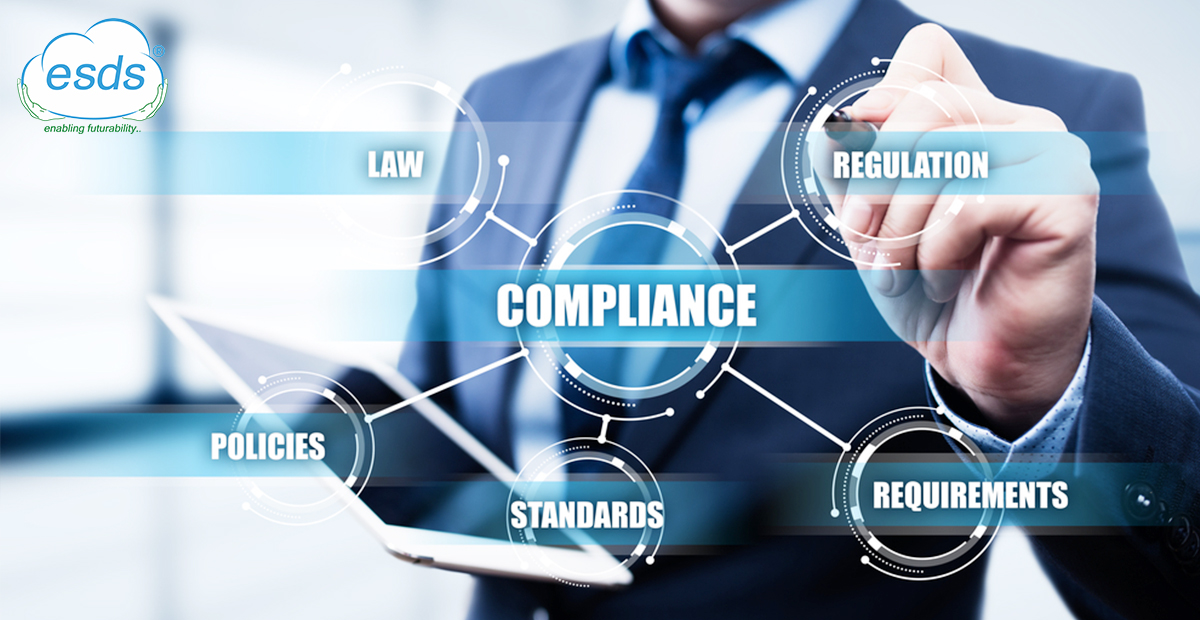
Technology is moving faster and advancing quickly, similarly, data is growing exponentially and in larger volumes. Businesses are investing strategically and financially to source the data, analyze it up to its potential, store it, and further action it. Throughout this process, security plays a very crucial role as any kind of threat or leak may cause severe damage to the business both financially and operationally. In the pandemic, the true potential of cloud and data centers has been witnessed by numerous organizations across sectors and across the globe.
Thanks to this much-needed appreciation cloud industry have been moving higher up the growth ladder. Since maintaining an on-premise infrastructure and other security measures is quite complex, businesses reach out to third-party providers to not only store their data but also secure it and operate further. Present-day SecOps teams are alert 24*7 to discover, analyze, correlate, and gain the deepest insights into the suspicious threat data. The aim is for comprehensive threat visibility that goes beyond the tactical approach. Proper threat visibility is charted out via automated threat response and examined threat intelligence, both are considered crucial aspects of a cybersecurity solution.
In order to fight and prevent cyberattacks and threats, businesses need a proactive approach and comprehensive cybersecurity protocols in place. A 360-degree approach is among the surest ways to maximize data protection as a part of the cybersecurity approach. To tackle the threats, weaknesses, and vulnerabilities, the implementation of cybersecurity measures and protocols is done on corporate and digital levels. Basis the firewalls and the heavily equipped staff and physical surveillance, cybersecurity is measured. Businesses in the BFSI, pharma and healthcare segments are at higher risk because of the sensitivity of their data, hence they need more of an advanced protection system in place.
As hybrid work culture is settling in and digital transformation rapidly growing, cybersecurity attacks and breaches have become more prone. Between 2015 and 2021 more than 85 million cyber breaches were recorded. From grocery shopping, entertainment, educational classes, and banking, so much has led to our dependency on the internet, which means so much of our personal data is out there. Did you know, India ranks 3rd on the list of countries’ top internet users? Yes, that’s right we are 3rd in that massive list, just behind China and US. This means we need to increase and tighten our security measures in order to protect the exponentially growing data which is a crucial factor for growing businesses. A 360-degree approach can be beneficial in this unpredictable and competitive market as gives an exhaustive view for thorough planning.