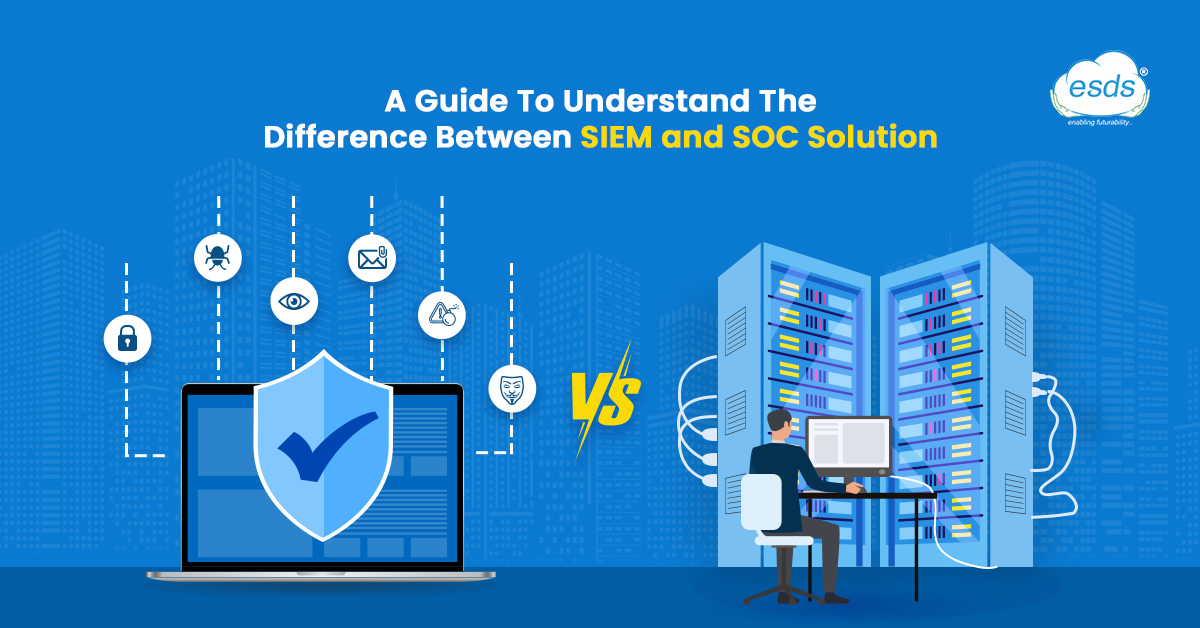
Do you feel overwhelmed with all the security acronyms floating around? SIEM and SOC are two of the most popular acronyms in the security world. But what do they mean and what is the difference between them? A SIEM (Security Information and Event Management) solution is a platform that collects, analyzes, and correlates security data from different sources. It helps organizations detect and respond to threats in a timely manner. On the other hand, a SOC (Security Operations Center) is a team of security professionals responsible for monitoring, analyzing, and responding to security incidents. In this guide, we’ll explain the main differences between a SIEM and SOC solution, so you can identify which one is the best fit for your organization.
What is a SIEM Solution?
A SIEM solution collects, analyzes, and correlates different security data from different sources. It can collect data from network sensors, log management tools, endpoint security tools, etc. Once the data is collected, it’s sent to the central SIEM server where it’s stored and made available for analysis.
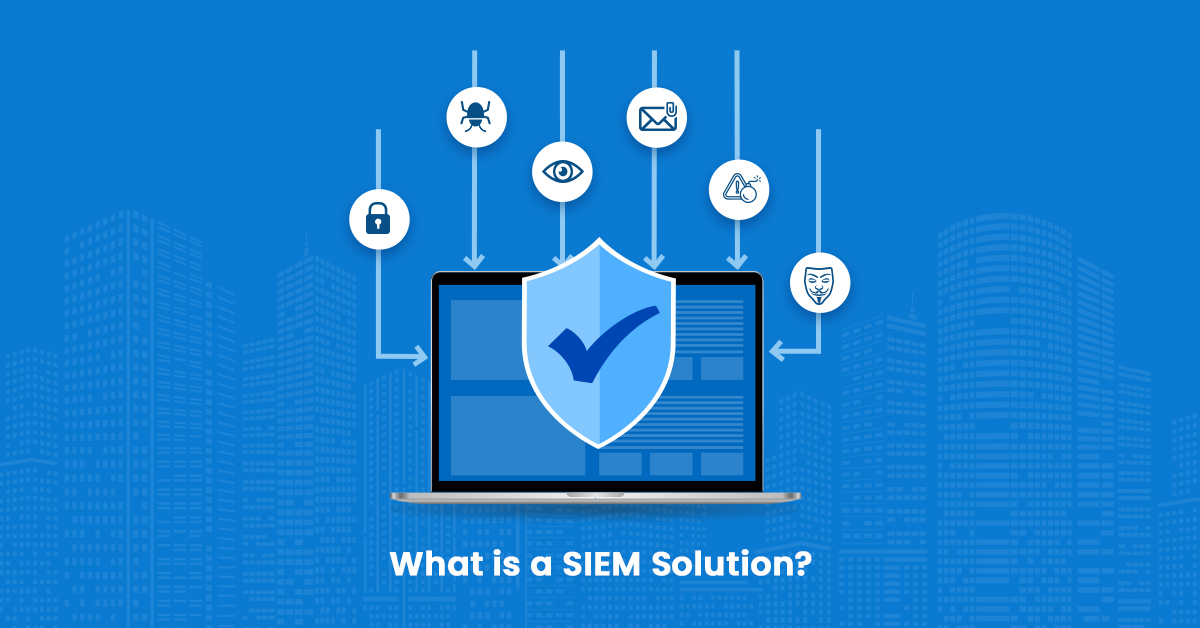
The SIEM solution provides a centralized view of all security events happening in your organization, regardless of the source of the data. The data collected by the SIEM includes security events like log data, network flow data, threat intelligence data, vulnerability data, etc. At the core of a SIEM solution is a security analytics engine. It’s responsible for normalizing and correlating the data collected from different sources. It’s an ideal solution for organizations with distributed IT environments. The SIEM solution allows security teams to centralize security data from different locations in the organization and correlate it with other data to identify threats.
SIEMs include the following critical information:
- Multi-source log aggregation
- Threat intelligence
- Organizing and correlating events to make analysis easier
- Advanced analytics visualization
- Customized dashboards for analytics
- A threat-hunting tool to identify currently compromised resources
- Investigation tools for cyber-incidents
What is a SOC Solution?
The term SOC refers to a Security Operations Center — an organization that manages security incidents. A SOC solution is an on-premises solution that is designed to detect and respond to security incidents. The SOC solution collects security logs, network flow data, vulnerability data, threat intelligence data, etc. It sends this data to different sources like SIEM, ticketing, or collaboration tools, and other systems.